A safe home
A roof, a bed and adults who care will come first. For a child without a family, belonging matters most.
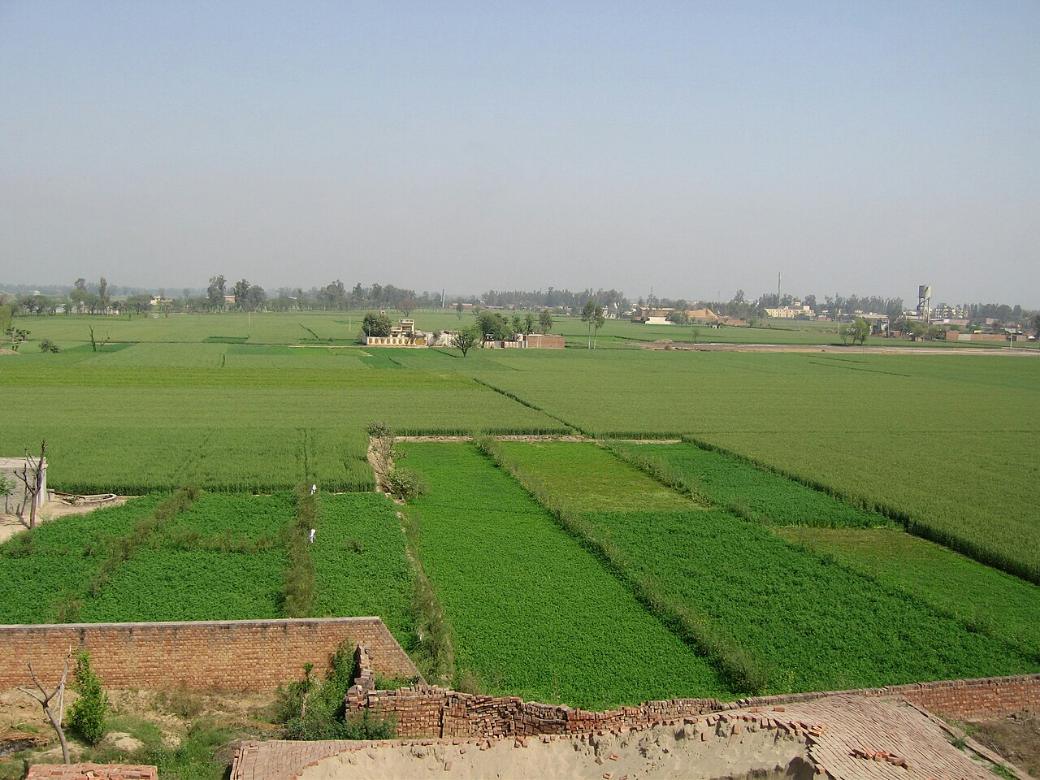
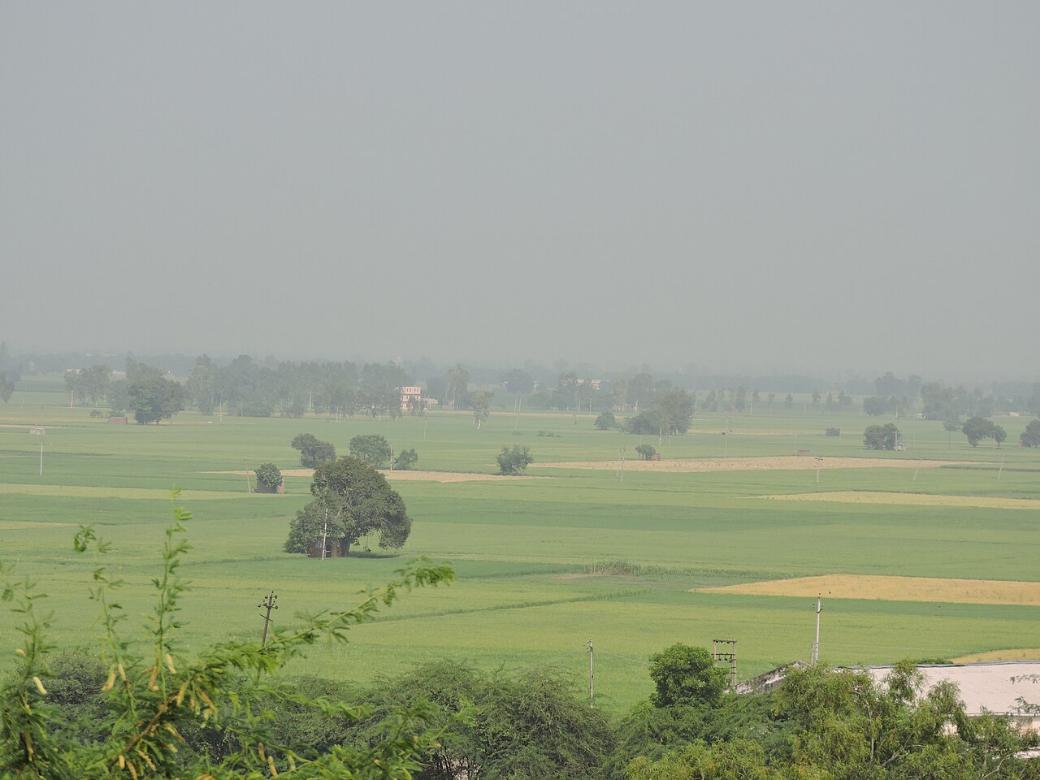
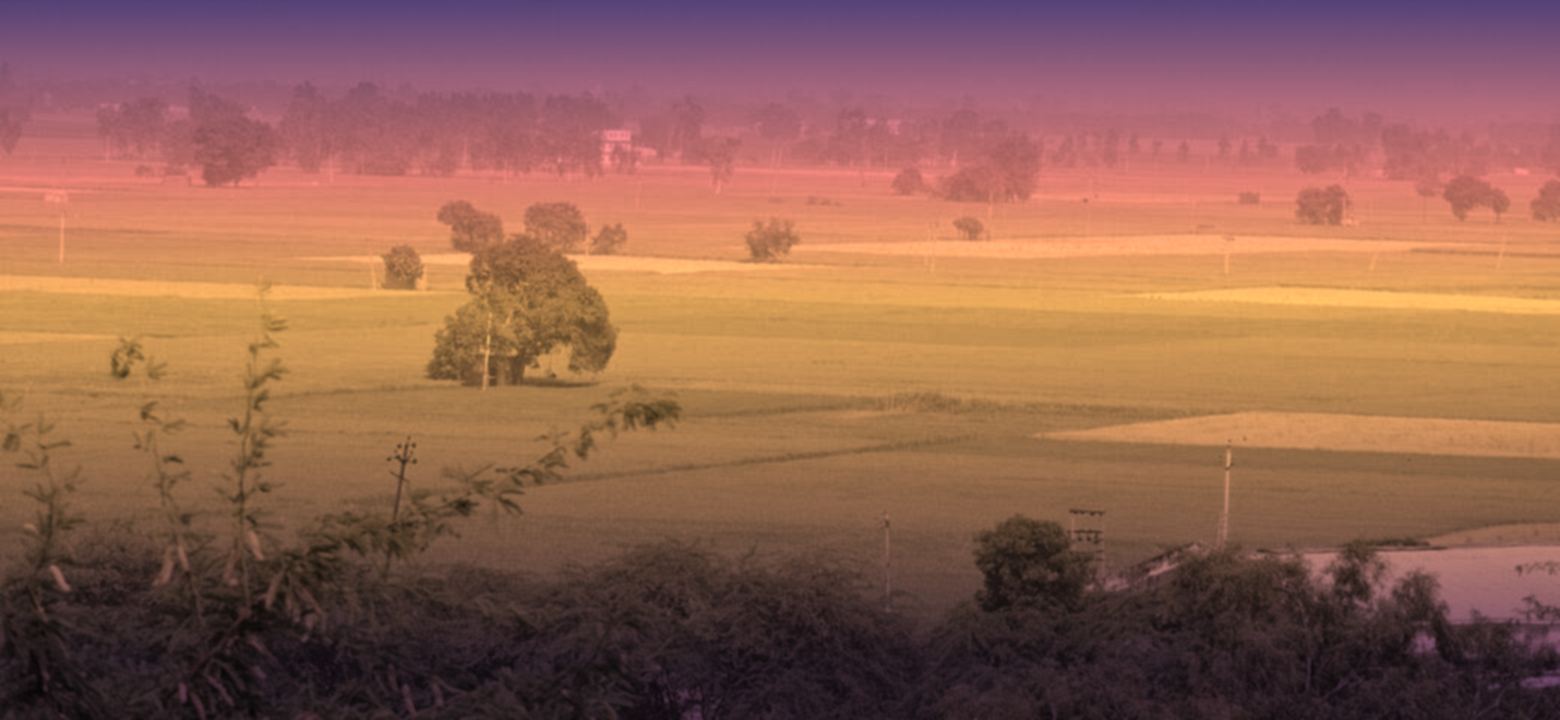 Punjab plain near Patiala, not the foundation's land. Photo: Harvinder Chandigarh, CC BY-SA 4.0, colour adjusted
Kunwar 2023 Foundation is an international education and life skills foundation, founded in India. Its work begins in Punjab, with care for orphaned and homeless children, and is intended to be shared with other regions and countries.
given by the family behind the foundation to date
based on inherited family land in Khaira, Jalandhar district
a family foundation, passed from one generation to the next
The foundation is setting up a children's home on the family land. This is what it will provide.
A roof, a bed and adults who care will come first. For a child without a family, belonging matters most.
Regular meals and safe drinking water will be provided, in a state where much of the groundwater is unsafe.
Schooling will be through the family's Grand Public School in Khaira, so no child is left out of the classroom.
Children will learn life skills, digital skills and confidence for a world being reshaped by technology and AI.
Illustration: children in prayer at dusk.
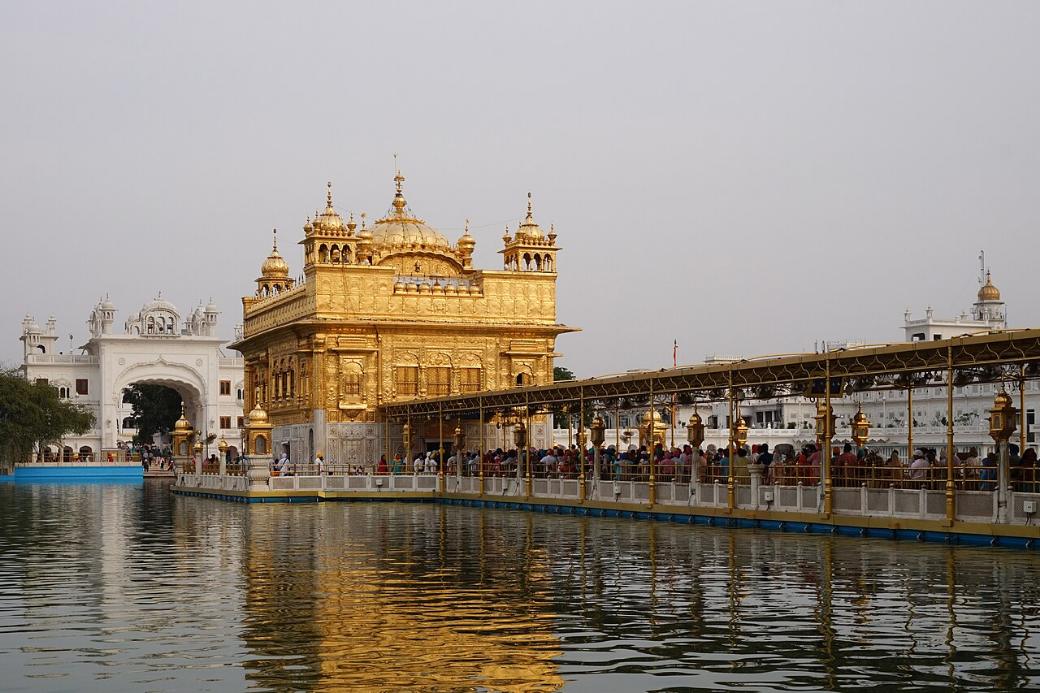
The foundation is rooted in the Sikh tradition of service to others. Every child will be welcomed as family, fed as at the langar, and raised to serve others in turn.
Kunwar 2023 Foundation is a family foundation, founded in India. Jasbinder Singh Khalsi serves as its trustee. It is based in Punjab, on land the family inherited, beside the family's own school, Grand Public School in the village of Khaira.
The family's commitment to Punjab goes back generations. In 2023 it was formally established as the Kunwar 2023 Foundation, built so that the next generation can carry it on. Read the family's story.
To date, the family has given over $1 million of its own money to the foundation's work.
Today, as the world enters a new era of artificial intelligence and discovery, the foundation is building on everything already put in place. Its purpose is to help children who have lost their homes and families face the challenges and pressures of today's world, build a better life, and reach the opportunities that children elsewhere take for granted.
It is an honour to serve as trustee of a foundation that has come down through my family, and to give back to the communities my forefathers came from.
Punjab is rich in culture, in land and in people. It is also a place where real need sits beside that wealth. India is a great country with many resources. The task is to direct them to the right places: the villages and families that infrastructure and public services do not yet reach.
The foundation exists to do that work, and to be handed on so that others can continue it.
Jasbinder Singh Khalsi, Trustee
The foundation's story is one family's journey across three generations: from a Sikh soldier of Punjab, through Partition and a new life abroad, to a grandson who now manages the family estate and is building on it.
The family are Punjabi Sikhs from Punjab.
The grandfather of the current trustee served as a soldier in the British Army, in the Sikh martial tradition.
Partition divided Punjab between India and Pakistan.
He settled in the United Kingdom. The family grew through his sons and spread across several countries.
Names, army and regiment, dates and family photographs: to be added by the family
The grandson, Jasbinder Singh Khalsi, took on the management of the family estate in Punjab and established the Kunwar 2023 Foundation.
Grand Public School was extended and its buildings upgraded.
The trustee and his team have maintained and built up the estate. The family is selling certain assets in the UK and internationally and investing the proceeds in the foundation.
The plan is a full campus: housing, a technical institute, a medical centre and clean water. See the plans.
The foundation's trustees have roots in Punjab, India, the UK and Canada. They understand the challenges these children face, both where they come from and in the modern world they are entering, with new technology and AI.
The foundation is built on care and love for women and children. Life skills, education and health follow from that.
The family's investment starts the work. Keeping it going will need ongoing maintenance and support from international donors, partners and government.
The children the foundation is set up to serve face several problems at once: no home and no family, unsafe water, too little food and no way into school. Each figure below links to its source.
UNICEF has estimated that India has around 29 million orphaned children. India has the largest number of orphaned and vulnerable children in South Asia.
Source: Down To Earth, citing UNICEF
Reporting from one Punjab village, Maqbolpura, found that most households had lost at least one member to drugs, leaving widows and orphans behind. A Member of Parliament has said that 6.97 lakh (697,000) children aged 10 to 17 in Punjab use drugs.
Sources: Deccan Herald, New Kerala
The Central Ground Water Board's 2025 report found uranium above the safe limit in 62.5% of Punjab's post-monsoon groundwater samples, the highest rate in India. Nitrate and fluoride were also above limits in many samples.
Source: The Tribune, citing the CGWB Annual Ground Water Report 2025
Across India, the National Family Health Survey (NFHS-5, 2019 to 2021) found 35.5% of children under five stunted and 32.1% underweight.
Punjab's School Education Department is running a statewide household survey to find children who have never enrolled or have dropped out of school.
Source: The Tribune
Children growing up today will enter a labour market reshaped by artificial intelligence. Children with the least risk being left behind first.
The World Economic Forum's Future of Jobs Report 2025 projects 170 million new roles by 2030 and 92 million displaced. It estimates that 39% of current skills may be outdated by 2030, with analytical thinking, resilience and flexibility becoming essential.
IMF research found that almost 40% of global employment is exposed to AI.
A 2026 ILO and World Bank study found that many developing countries risk experiencing disruption before seeing benefits from generative AI. Clerical roles, which have historically been a pathway to quality employment, are among the most exposed.
Sources: ILO, THE Journal
Researchers presenting at an ITU conference in 2026 warned that automation risks displacing routine, low-skill jobs in India faster than current reskilling systems can adapt.
Research on children in institutional care in India points to positive relationships with caregivers and peers as important for healing and development. The foundation's approach starts there: a stable home with caring adults, then food, clean water, school and the life skills of modern society.
Source: Saraswat and Unisa, study of orphan children in institutional care
The foundation's model is being developed in five stages. Each stage draws on established practice or published research.
A stable, family-like home with caring adults. SOS Children's Villages raises children in family homes under the care of a mother figure, a model it describes as family-like care.
Reading and maths taught at each child's actual level. Pratham's Teaching at the Right Level groups children by learning level, not age or grade, and has shown large learning gains in rigorous evaluations.
UNICEF India's Comprehensive Life Skills Framework sets out ten core life skills across four dimensions, including self-awareness, communication and resilience.
Digital and AI literacy, with the human skills employers expect to matter most by 2030: analytical thinking, resilience and flexibility.
Support that continues until a young person can earn. Magic Bus describes this journey as taking young people from childhood to livelihood.
The Kunwar model is in development. Curriculum details: to be confirmed. The organisations named are cited as references. They are not partners and have not endorsed the foundation.
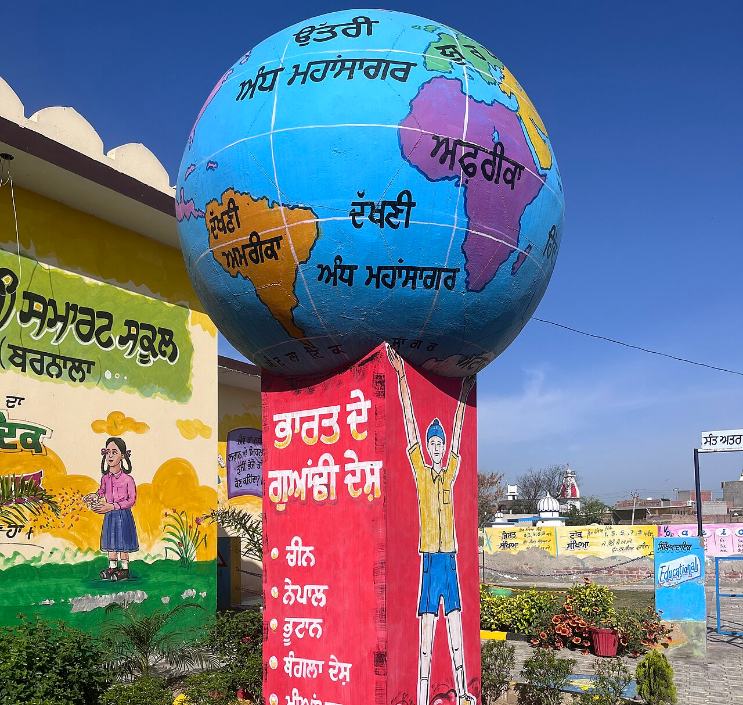
Life skills programmes in India commonly use experiential, activity-based learning led by trained facilitators. The foundation's programmes will follow the same principle: children practise skills, they are not lectured on them.
The foundation's education and life skills programmes will be designed so that schools and organisations in other regions and countries can adopt them under licence.
Build and refine the programme in Punjab, with Grand Public School in Khaira as the first site.
Turn the programme into a complete kit: curriculum, facilitator training and simple tools to measure progress.
License the kit to schools, charities and community organisations in other regions and countries.
Train local partners, who adapt the programme to their own context, and track results.
Regions and countries for roll-out, and licence terms: to be confirmed. No licences have been issued yet.
Pratham's Teaching at the Right Level began in India. It has now reached more than 80 million children in India and Africa, often at a cost of less than $10 per child per year. Pratham International supports partners in more than 20 countries with technical support, training and tools, while local partners adapt the approach to their own context.
Sources: J-PAL, Pratham UK
These organisations are listed for reference. They are not partners of the foundation and have not endorsed it.
| Organisation | What it does | What the foundation can learn |
|---|---|---|
| SOS Children's Villages India | Established in 1964; operates 32 Children's Villages for children without parental care | Family-like care |
| Pratham | Foundational reading and maths, taught at the child's level | Low-cost teaching method and international scaling |
| Magic Bus India Foundation | Life skills education since 1999, including training government school teachers | Life skills curriculum and teacher training |
| The Kalgidhar Trust (Akal Academies) | Value-based schools across rural North India, with a UK sister charity | Rural schools with faith-rooted values and UK fundraising |
| CRY | Child rights, including a life skills programme | Life skills programme design |
| Radha Soami Satsang Beas (RSSB) | Spiritual organisation founded in Punjab in 1891, with charitable hospitals, disaster relief and a school | Hospitals, relief and schooling run by a faith organisation |
The foundation intends to work alongside spiritual, community and education organisations that share its values of service.
Confirmed partners: to be added once agreed with each organisation
The foundation is based on inherited family land in the village of Khaira, in Phillaur tehsil of Jalandhar district, Punjab. The family's school, Grand Public School, is in the same village and will give the foundation's children a place to learn.
Khaira is a village about 6 km from Phillaur and around 40 km from Jalandhar. (villageinfo.in)
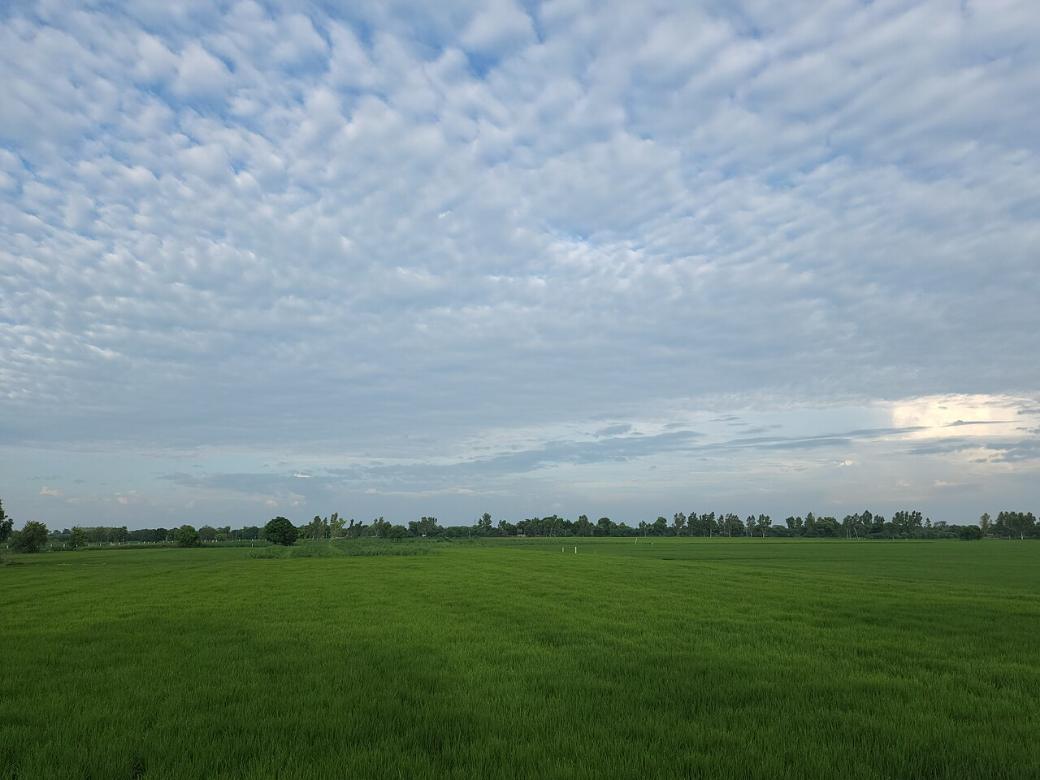
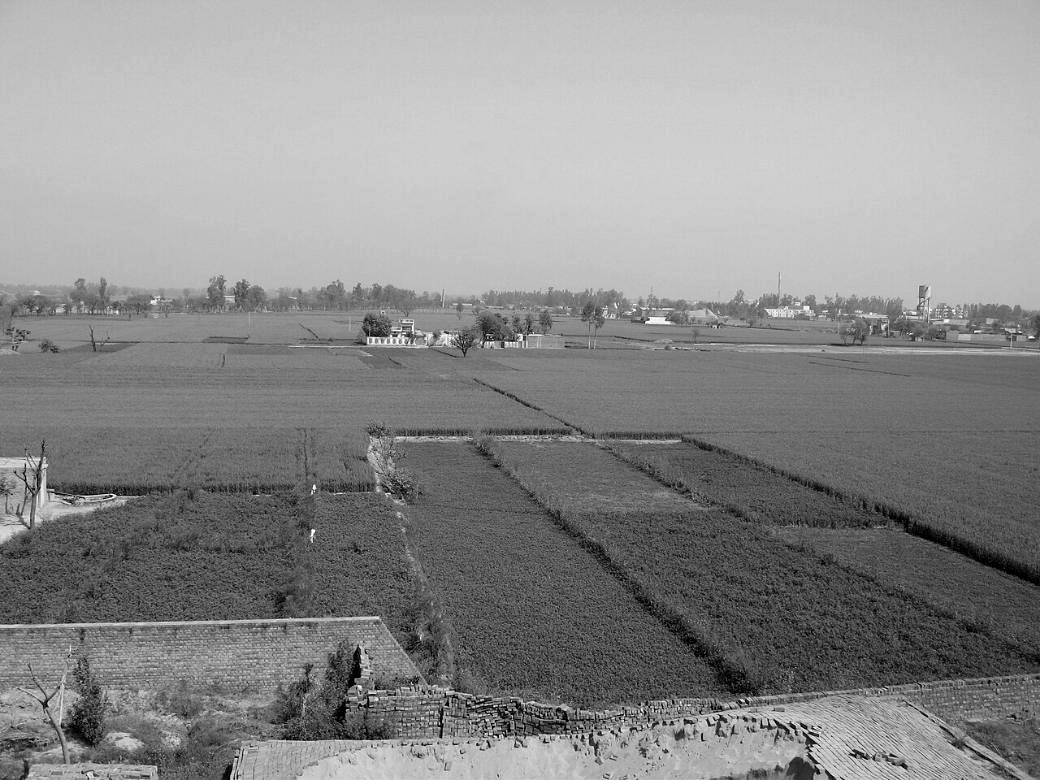
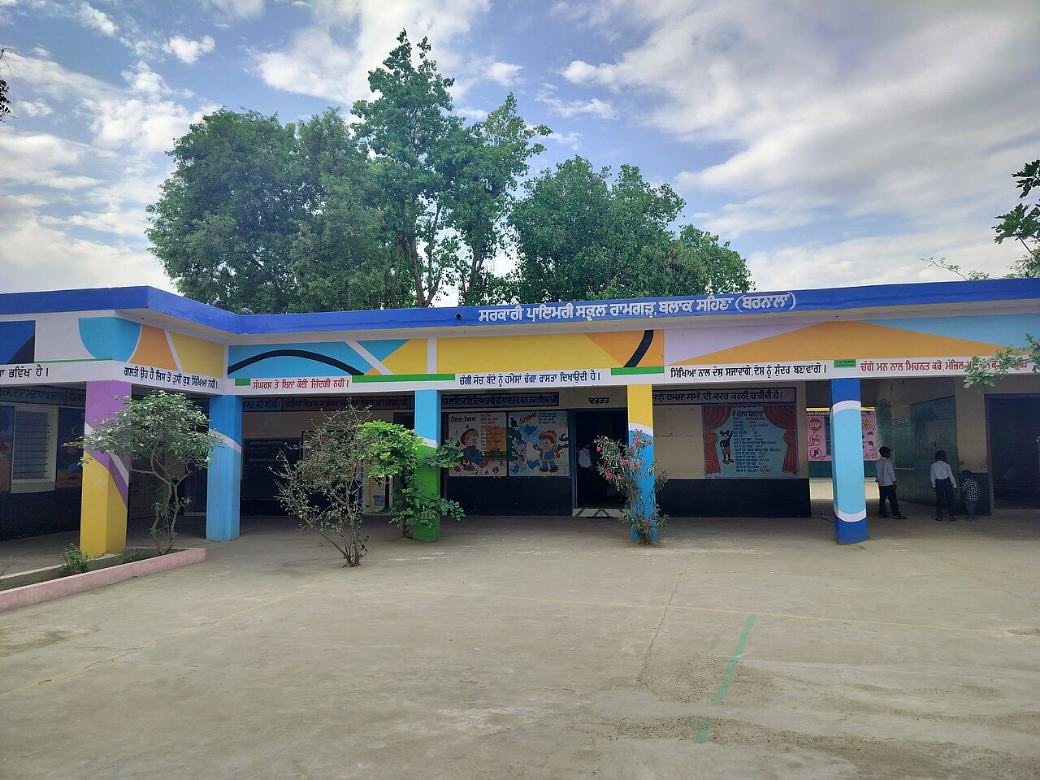
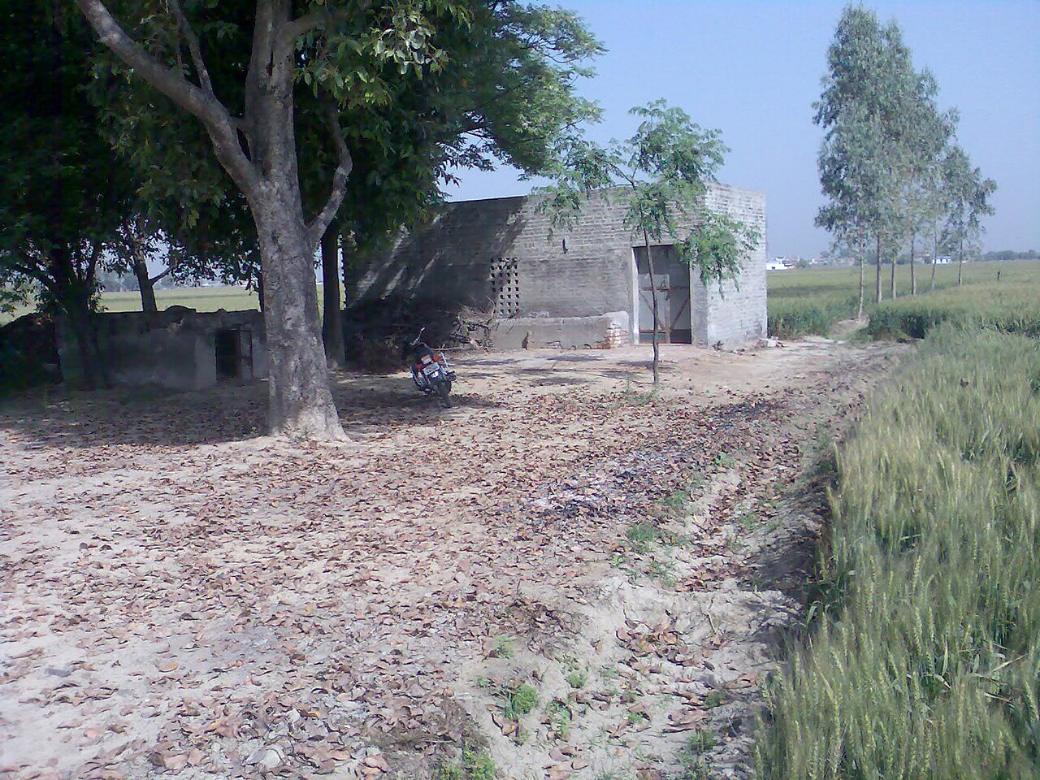
Grand Public School, G T Road, Khaira (near Bhattian), Tehsil Phillaur, District Jalandhar, Punjab 144410, IndiaPhotos of the foundation's land and Grand Public School will be added. The photos on this page show the wider Punjab countryside.
Grand Public School is the family's registered school in the village of Khaira. It is the first home of the foundation's education work.
| Name | Grand Public School, Khaira (Phillaur) |
|---|---|
| Where | G T Road, Khaira, near Bhattian, close to Shiv Mandir |
| Tehsil and district | Phillaur, Jalandhar |
| State | Punjab 144410, India |
| Nearest town | Phillaur, about 6 km |
| Registration and board | details to be added |
Listed in the schools.org.in directory and the Local Punjab directory.
The plan is a children's home on the family land, close to Grand Public School: somewhere children can live, eat, study and grow up together with caring adults.
Details of buildings, capacity and timescales: to be confirmed
A concept for the family land beside the G T Road: the school, family-style living quarters and shared facilities on one site.
Concept illustration only. It is not an architect's drawing. Apart from the school, none of these buildings exist yet, and the drawing does not show the school's real building, the sizes or the final layout. Site survey and design: to be commissioned
The school stands at the corner of the G T Road and Bakkapur Road. The plan grows the site to roughly twice the size of the present school, on the ground behind it.
Scroll sideways to see the whole plan.
Indicative plan, not to scale and not an architect's drawing. Roads and railway are placed from satellite imagery. The site boundary, the position of the 2024 extension and all planned buildings are illustrative until a survey is done. Site boundary: to be confirmed
Grand Public School at the roadside corner, with open ground behind.
Extension and upgrades to the school building.
The planned campus: housing, technical institute, medical centre, clean water, cricket ground and bus bay.
The plan includes a technical institute on the campus, teaching IT services, computing and AI skills, so that young people leave with skills employers need.
The foundation is seeking donations of computers and IT equipment, and funding for connectivity, software and trainers.
Courses, accreditation and university affiliation: to be confirmed
The plan includes a medical centre for the children, with health checks and basic care, and the aim of serving nearby villages as it grows.
Services, staffing and licences: to be confirmed
Draft targets only. Nothing here is confirmed: all of it depends on registrations, funding, design, permissions and trustee approval.
| When | Milestone |
|---|---|
| January to March | Complete registrations in India and the UK. Commission the site survey and architect's design. |
| April to June | Open fundraising. Agree the first funding and delivery partners. Start recruiting teachers, including international teachers. |
| July to September | Pilot the life skills programme at Grand Public School. Begin work on the first family cottage and the clean water plant. |
| October to December | Review the pilot and publish results. Prepare the programme kit for licensing. Shortlist a second location in Punjab. |
The foundation is seeking partners in Punjab and abroad to fund the campus and its programmes: businesses, family foundations, community organisations and individual donors.
Partners could fund a specific building, a programme or a child's care and education.
The foundation would like to hear from teachers in other countries who could work alongside local staff, in person or remotely: English, science, digital skills and life skills.
Placement terms, visas and safeguarding checks: to be confirmed
Khaira is well placed as a hub: it sits on the G T Road between Ludhiana and Jalandhar. Literacy is lowest in other districts. Literacy figures are from the 2011 Census.
| District | Literacy | Why consider it |
|---|---|---|
| Jalandhar (Khaira, family land) | 82.4% | Planned flagship campus and training hub, with strong road links |
| Mansa | 62.8% | Lowest literacy in Punjab |
| Sri Muktsar Sahib | 66.6% | Second-lowest literacy |
| Sangrur and Barnala | 68.9% | Low literacy, central Malwa location |
| Tarn Taran | 69.4% | Low literacy; border district affected by the drug crisis |
| Ferozepur | 69.8% | Low literacy; border district |
Sources: Sarva Shiksha Abhiyan Punjab, educational profile, Outlook India. Punjab's overall rate in the same table is 76.7%. No expansion sites have been chosen.
UK charities draw on many income streams, including grants from trusts and government, donations from individuals, corporate partnerships, trading, events and gifts in wills. Total UK giving was an estimated £14 billion in 2025, down from £15.4 billion the year before, so a mix of sources matters.
Sources: Plinth, The Access Group, citing CAF UK Giving
According to CAF, standing orders and direct debits are worth £2.89 billion to UK charities and let charities plan ahead. For a children's home, regular income is the foundation of everything.
GoFundMe and JustGiving are two of the most popular UK platforms. A page with a story, photos and a target can be shared on WhatsApp and social media.
For a registered UK charity, Gift Aid adds 25p to every £1 donated by a UK taxpayer, at no cost to the donor.
Gurdwaras, community events, sponsored walks and dinners bring in donors who already share the foundation's values.
Grant-making trusts fund education and children's welfare overseas, usually once a charity is registered and has accounts.
Company partnerships, matched giving and gifts in wills provide larger, longer-term support.
| Platform | Fees for registered UK charities | Good for |
|---|---|---|
| GoFundMe | 1.9% + 20p per donation; Gift Aid passed on free | Fast, shareable appeals |
| JustGiving | Charity subscription plans; payment processing fees; 5% fee on Gift Aid | Sponsored events and charity pages |
| Give.do (India) | Check current terms | Indian donors |
| Own donate page (for example Stripe) | Card processing fees only | Ongoing monthly giving on the foundation's own site |
Sources: GoFundMe vs JustGiving, Give.do. Fees change; check each platform before launch.
Children's homes in India. Under Section 41 of the Juvenile Justice (Care and Protection of Children) Act 2015, every child care institution run by a voluntary or non-governmental organisation must be registered.
Donations from outside India. An Indian trust, society or Section 8 company needs FCRA registration, or prior permission from the Ministry of Home Affairs, to receive foreign donations, through a dedicated account at the State Bank of India, New Delhi.
UK donors. Gift Aid and charity rates on GoFundMe and JustGiving require a registered UK charity.
Sources: SCC Online on JJ Act s.41, FCRA guide
Registration status: to be confirmed
Your gift will go towards a home, food, clean water and education for orphaned and homeless children in Punjab.
Online payments are being set up. Pressing Donate will not take any payment yet.
Link: coming soon
UK charity details: to be confirmed
Indian trust and 80G details: to be confirmed
Interested in volunteering, partnering, or supporting the planned children's home in Khaira? Email us using the button below.
Email: to be added
Email info@kunwarfoundation.org
Privacy: the Kunwar 2023 Foundation uses your name and email only to reply to your message. You can ask for your details to be deleted at any time.